How to Retire Early Without Worrying About Inflation Eating Your Cash Flow
Retire early confidently. Discover how to structure stocks and TIPS to manage cash flow in retirement using what the market is actually telling you.

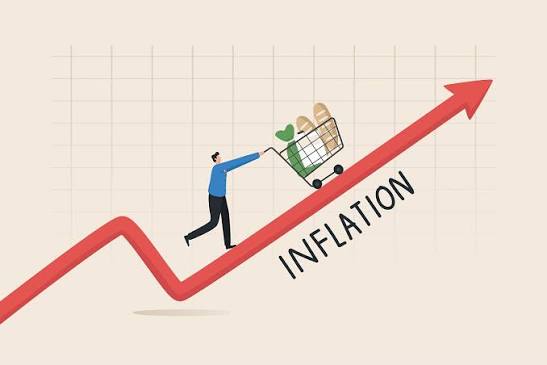

Retire early confidently. Discover how to structure stocks and TIPS to manage cash flow in retirement using what the market is actually telling you.
You've built real wealth. You earn well. The question now isn't whether you can retire early. It's whether your cash flow will actually hold up when the market doesn't cooperate.
Inflation is the silent threat nobody talks about. It's not a crisis. But if you're managing cash flow in retirement, it's important to consider.
When people ask me what inflation will be next, I don't pretend to have a crystal ball. I ask the market.
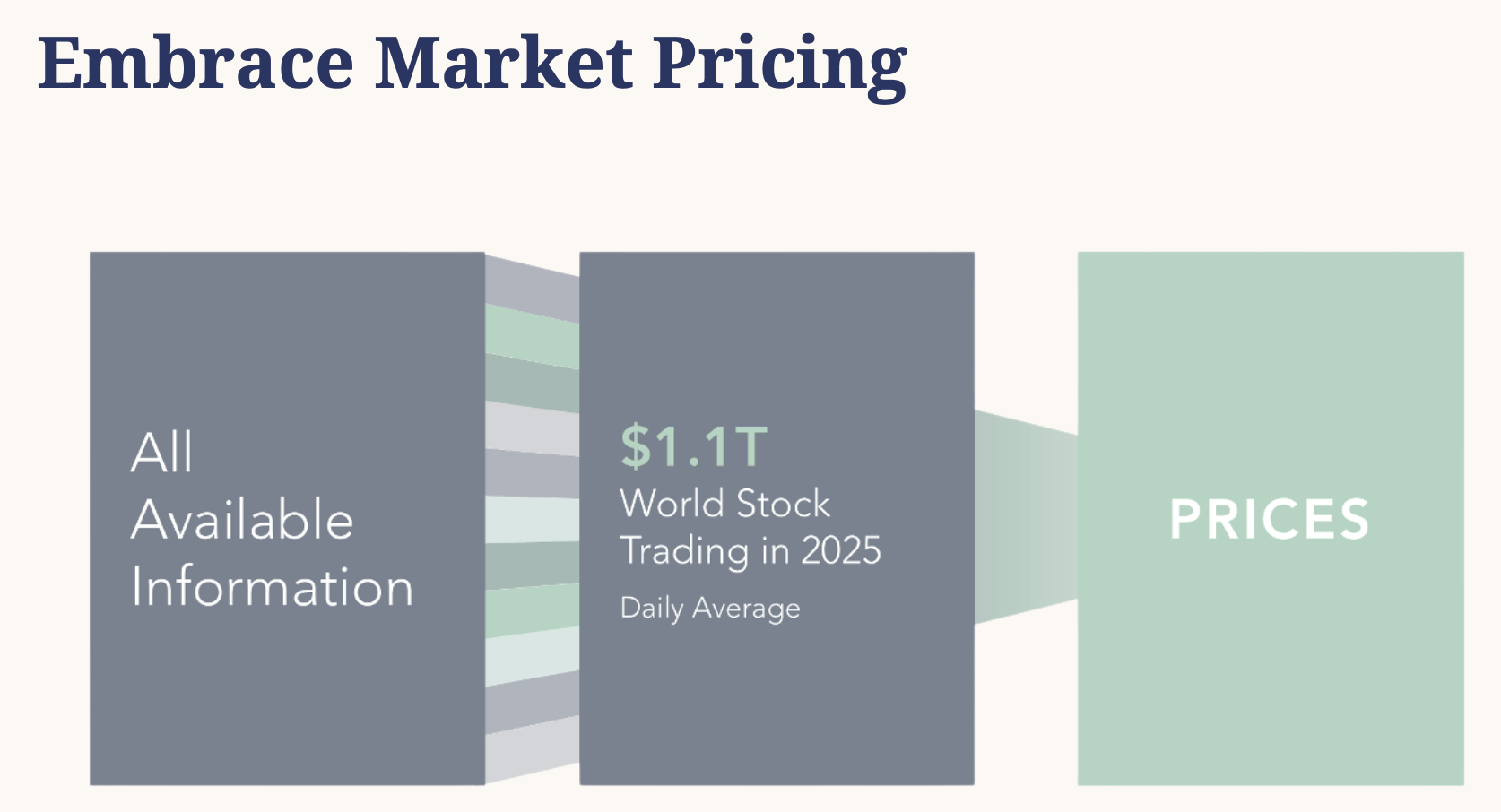
Think about this: $1 trillion in stocks trade every single day. Add bonds, derivatives, and everything else, and you're looking at trillions moving across global markets. Every trade is a vote. Every dollar carries a forecast. When you say you know more about inflation than the market does, you're saying you're smarter than thousands of professional traders. You might be right sometimes. Over decades? You'll likely fall short.
So instead of guessing, I look at what markets are actually pricing in. It's the closest thing to a crystal ball we have.
The September 2026 CPI data came in at 3.4% over the last 12 months. Not alarming. Not doomsday. Just modest. But here's what matters if you're thinking about retire early or building a retirement cash flow plan: what does the market expect going forward?
Enter breakeven inflation rates. This is where it gets practical.
What are breakeven rates?
Example: Let's say a regular 5-year Treasury bond yields about 5% an a 5-year inflation-protected Treasury (TIPS) yields about 3%. The difference, 2%, is the market's expectation for inflation over the next five years. It's pure crowdsourced intelligence.
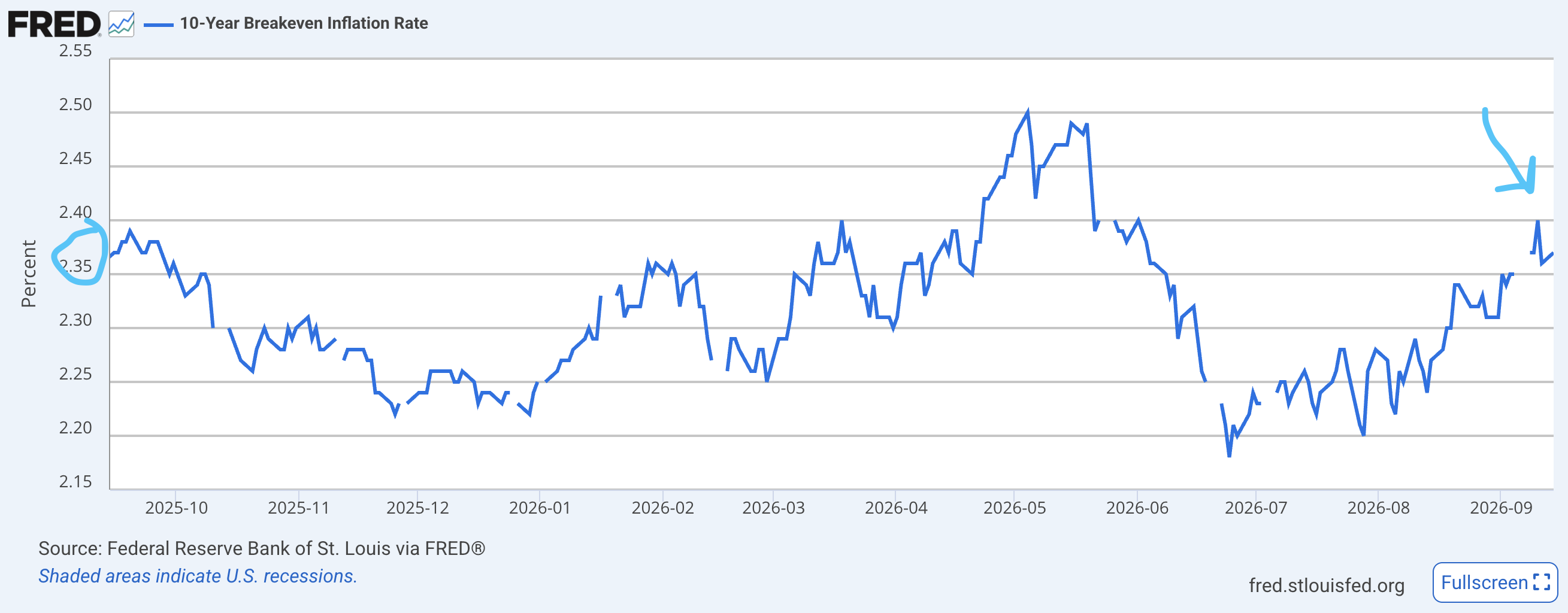
So what are current breakeven rates? Current breakeven rates look like this:
The market expects prices to rise about 2 to 3% annually. That's remarkably close to the Federal Reserve's 2% target. Translation: we're not headed for a crisis. We're headed for something close to normal. That's the baseline you should use when you're projecting your retirement cash flow.
Here's where this gets real for someone managing cash flow in retirement.
Let's say you plan to spend $150,000 per year. At 2.5% inflation, that $150,000 needs to grow to roughly $153,750 next year, then $157,609 the year after. Over 30 years of retirement, your spending roughly doubles.
Most people underestimate this. They plan for their current spending number and ignore inflation entirely. Then five years in, they're surprised their portfolio is getting squeezed.
But the real killer is UNEXPECTED inflation. What happens if inflation comes in higher than the 2-3% mentioned earlier? How does one manage their retirement cash flow in that scenario?
If you want to retire early or retire at all, you need to build a retirement plan that accounts for this math. Not with guesses. With what the market is actually telling you.
If you're serious about managing cash flow in retirement, you have two reliable tools to combat unexpected inflation: stocks and TIPS. Both work. The choice depends on where you are in your financial life.
Stocks outpace inflation over decades. This isn't reliable in the short-term. It's what the data shows across extended time periods. The longer your time horizon, the harder stocks compound. If you're many years from retiring early, stocks should form the core of your portfolio. They'll likely outpace inflation by a healthy margin over that window.
TIPS adjust for inflation automatically. Here's how they work: You buy a Treasury Inflation-Protected Security. Every month, the government releases a new CPI number. Your principal adjusts up or down based on that CPI. When you reach maturity or receive a coupon payment, you get the adjusted amount. If inflation runs higher than expected that year, your TIPS principal grows, while a nominal treasury stays the same. Your purchasing power stays exactly where you left it.
This matters enormously if you're near retirement or already retired. A stock pullback in year one of retirement can throw off your whole cash flow plan. What if inflation is rampant at the same time?.
Most people treat this as an either-or decision. Stocks or TIPS. That's thinking too small.
The ideal approach sometime combines both.
If you're many years from retiring early, stocks should form your core. They should outpace expected inflation (what we see in breakeven rates) and unexpected inflation over that horizon. But pair them with TIPS for the portion of cash flow you'll actually spend in those first five to ten years of retirement. When the inflation is unexpectedly high, that TIPS allocation protects you. You're no longer stressed about timing the market at the worst moment.
You're not choosing between safety and growth. You're choosing both.
Retiring early isn't about having enough money today. It's about having enough money at the time you need it, in the form you need it, adjusted for inflation. The market is telling us inflation will likely run 2 to 3% annually. Are you prepared if it comes in unexpectedly higher?
You've worked hard to build wealth. Now make that wealth work for you. Not through guessing. Through what the market is actually telling you.
Feeling overwhelmed? Let’s simplify things! Schedule your Free Assessment for an easy, 20-minute chat to help you tackle life’s transitions.
Enjoy a hassle-free conversation that puts your needs front and center!
)%20(3).avif)
